A PHC clinical case manager reflects on the trust, resilience, and human connection that define the journey toward health and stability.
By: Chelsea Kolander, Clinical Case Manager at PHC
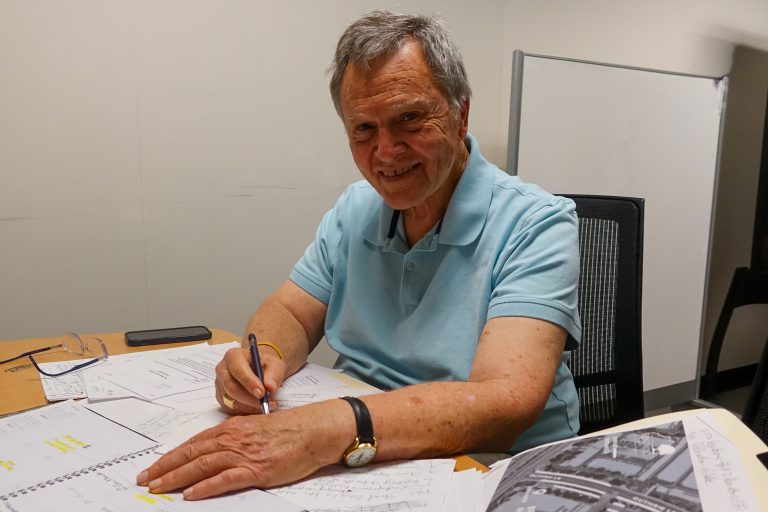
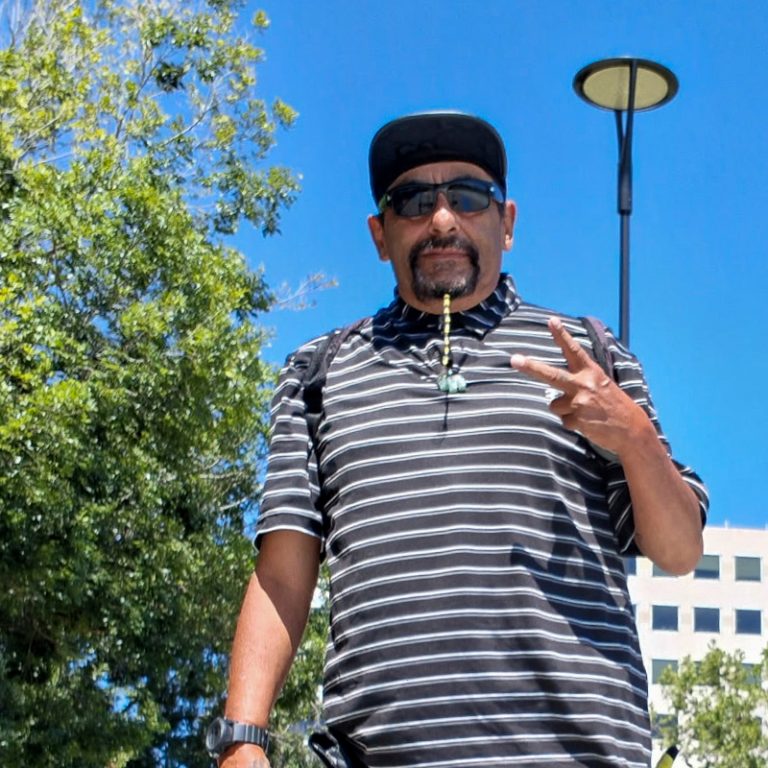
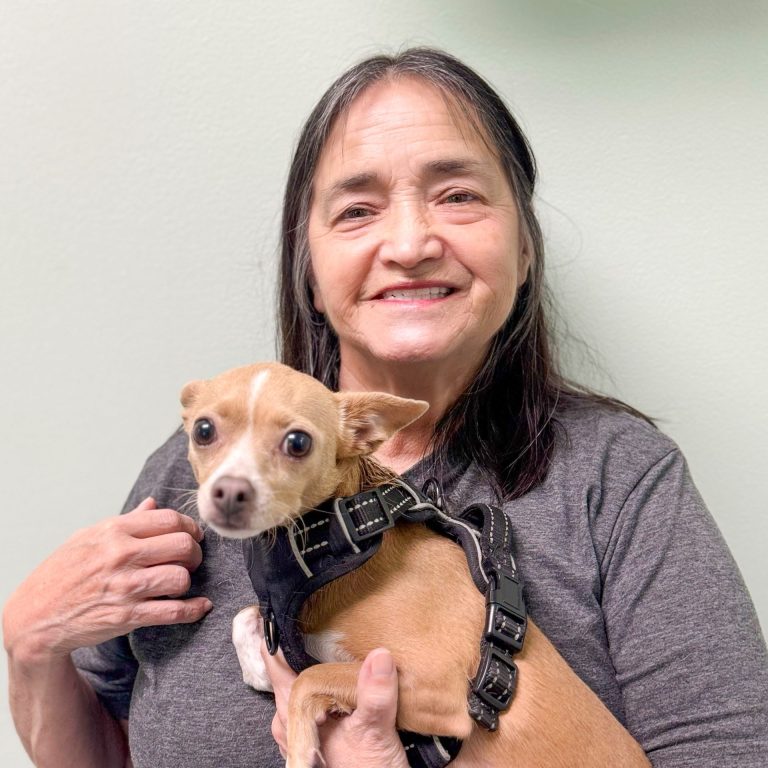
I am grateful to PHC-New Directions for giving me the opportunity to work with clients who are vibrant, dynamic and engaged community members. Our clients are amazing people. They are artists, painters, makers, gardeners, parents (including pet parents), grandparents, social organizers, advocates, decorators, armchair comedians, dancers, singers, students and dreamers.
While conducting an assessment with a client or creating a care plan, I intentionally use these tools to build rapport with each person on my caseload. I treasure the stories that they share with me: where they grew up, their professions, aspirations, challenges, and what motivates them. These same qualities and strengths are those which we draw from and build upon in our work together. I learn so much from my clients, from their wisdom, generosity of spirit and creativity which shines through each time they agree to meet and participate in services. There is also something to be said for the momentum that builds when a client is ready and willing to partner together with the case manager—as we work together to address the barriers and obtain the health care and services that they both need and deserve. It takes tremendous courage to start working with a new provider, and I do not take it lightly when a client places their trust in our agency and me. This is particularly true when clients have experienced medical trauma, judgment, neglect, or abandonment. For these reasons, I feel both a calling and a sense of duty to accompany my clients on their paths and connect them to resources and services which support and bolster their wellbeing along the way.
Journeying together toward their health and personal goals is a privilege and honor. Sometimes the journey includes meeting the client first thing in the morning at a crucial medical appointment or procedure, following behind their medical transport to ensure they arrive home safely afterward, accompanying them to a court date, spending several hours together at the Social Security office, delivering a box of food and asking them for a recipe recommendation, trying to talk over the hold music that plays during conference calls while trying to decide which number to select from the menu, playing a round of Bingo before we dive into paperwork, or cracking jokes together to ease the tension before a nerve-wracking procedure or exam. There are days where the client and I are laughing so hard, that when the medical staff comes to fetch us, they ask if everything is all right. The human connection is a crucial aspect of this work, especially now.
Regardless of the setting or task at hand, one aspect remains consistent. Amid tremendous challenges and seemingly endless barriers, our clients persist fiercely. They inspire me every day and are the reason I keep showing up. When I feel stuck, or learn that the resource that the client desperately needs is no longer available, I am reminded of the quote by Ram Dass “We are all just walking each other home.” In situations where I cannot offer a quick or easy solution, I know that I can offer connection and compassion while we work together one step at a time to address the goal. Witnessing the clients in their full breadth of humanity—moments of joy and laughter, tears and grief, anger and injustice, and everything in between, reminds me of the cyclical nature of life itself. When a client expresses gratitude or shares how my presence helped them feel more comfortable during the appointment, or that it encouraged them to attend the appointment in the first place, it reminds me of the difference we make every day as case managers and deepens my commitment to this work. This is particularly true when the client receives difficult news during an appointment or meeting—no one should have to face that alone.
As case managers, we often focus on logistics, including scheduling appointments, booking transportation, following up on referrals, completing documentation, coordinating with the client’s care team, and supporting the client to receive and maintain social service benefits. At the same time, we have a unique window into the client’s worlds, the communities they come from, and how they incorporate activities, passions and hobbies which bring them joy and foster a sense of purpose. One of my clients, who enjoys creating art out of discarded and repurposed materials, gifted me this beautiful dragonfly illustration during a home visit. With a bit of synchronicity, the other side of the recycled paper states: “Reflect on a moment when a person showed you empathy or understanding.” I keep it at my desk to remind me that even while encountering oppressive structures and systems, the brilliance, beauty and determination of the human spirit still bursts through. Perhaps one of the most significant and fulfilling aspects of my role in this space and time, is to provide empathy and understanding to our community members during the moments they need it the most.