A Place to Land. Care Within Reach.
Something important is happening in our community and it is growing faster than the space that holds it.
For 20 years, Peninsula Healthcare Connection (PHC) has become a lifeline in Santa Clara County. From two modest exam rooms on Encina Avenue, care has reached community members who too often fall through the cracks: unhoused neighbors, uninsured seniors, individuals living with mental illness, and those rebuilding their lives. It’s about access. And a place that does not turn people away.
And still, more people are showing up.
In the past two years, visits have tripled. The number of uninsured patients has grown more than fourfold. Nearly half of all appointments are now for people coming through the door for the very first time. The need is clear, and it is surely urgent.
But the clinic has not changed. It is still two humble exam rooms. A waiting area that fits two chairs. No space for a wheelchair and a companion, or even a scale. No dedicated room for therapy. No room, increasingly, for the next person who needs care.
Over the last five months, more than 300 people have been turned away, simply because space does not exist.
Right next door sits a whole new possibility.
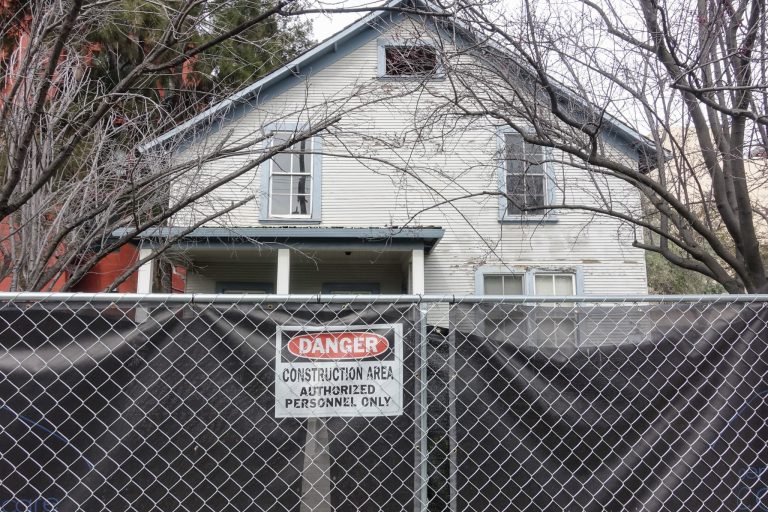
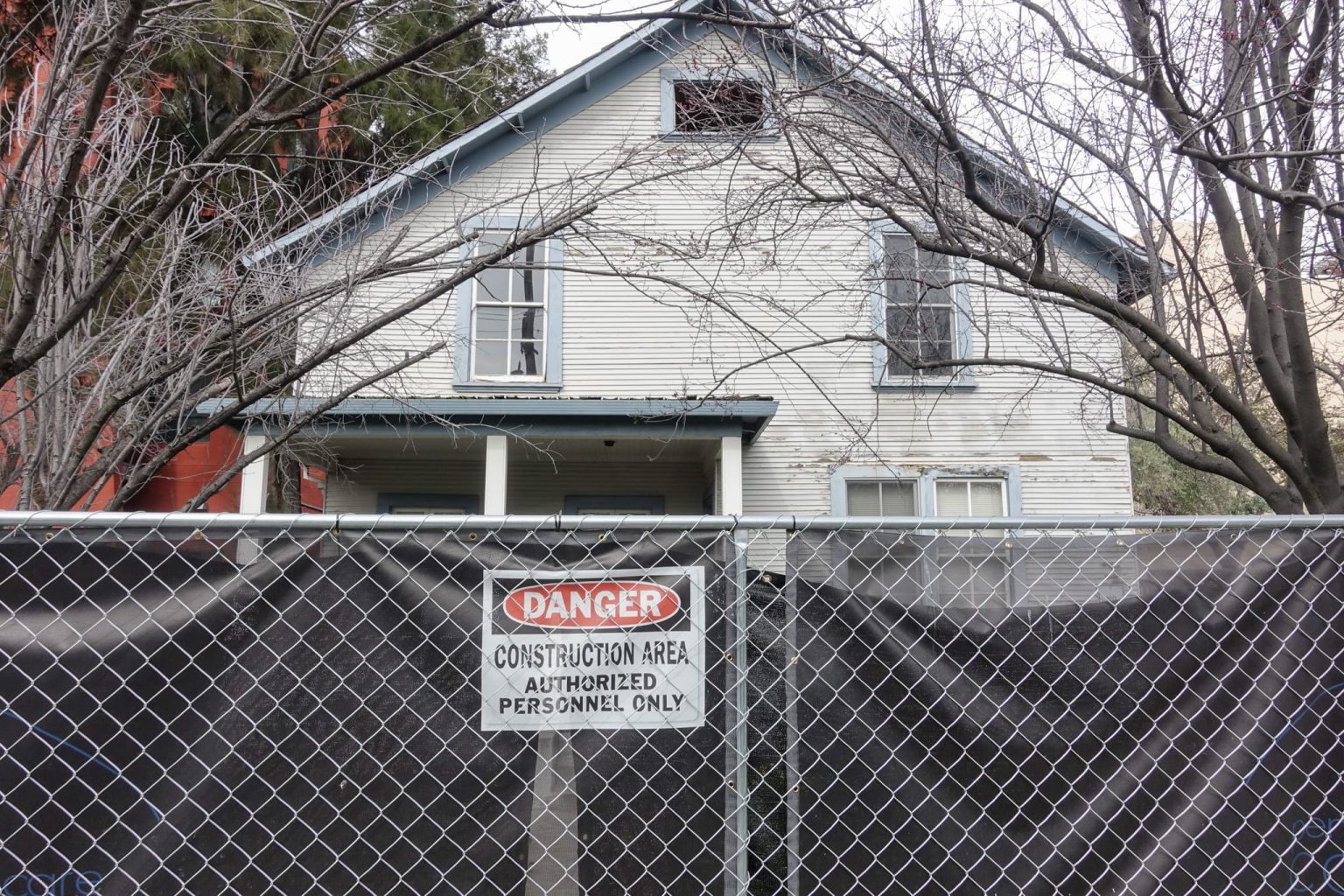
At 51 Encina Avenue stands a century-old home that has long been part of Palo Alto’s roots. Today, it offers the rare chance to preserve history while transforming its purpose, into a home where care scales to meet our most pressing community needs.
The 51 Encina Capital Campaign is an effort to make that transformation happen. Its impact can be seen in lives like Patricia Perez’s.
Patricia did not expect her life to unravel. After years of steady work, she found herself one morning unable to complete even the simplest tasks. Instead of going to the hospital, she walked into the clinic she trusted, a small and ordinary decision that would absolutely change her life.
The PHC team recognized the signs immediately. A nurse drove Patricia to the emergency room herself. She was having a stroke. Without that moment of recognition and that trust in accessible care, the outcome could have been very different.
Recovery was tough. Patricia lost her job. Her independence lessened. Daily life became uncertain. But her access to care did not waver. The clinic remained a place she could return to in crisis and in the long-difficult process of rebuilding.
“The clinic,” she says, “it kept me together.”
With three times the clinical space, 51 Encina will enable PHC to serve hundreds more patients each month. It will add dedicated rooms for primary care and behavioral health, making it possible to offer therapy. It will create a space where walk-in care does not compete with scheduled visits. It will be fully accessible, designed to welcome patients with mobility challenges, companions, and the realities of everyday life.
This idea of belonging has shaped the entire vision. In collaboration with the Hayes Group Architecture and Stanford d.School, PHC approached this project with a simple but essential question: what does it feel like to receive care here?
For many patients, clinical spaces have been places of discomfort, surveillance, or exclusion. 51 Encina is being designed intentionally, to feel warm, human, and familiar. A place that reflects welcome rather than scarcity. Somewhere people return to because they choose to.
None of this happens without belief. And in a project like this, belief takes the form of early investment.
The public pieces are coming together. The City has signaled support. Partnerships are in place. The path forward is clear, if complex. But it is private philanthropy: individuals, families, and institutions choosing to act, that creates momentum at the moment that it matters most. Now.
For two decades, PHC has proven something simple and deeply powerful: when care is close enough and built on trust, people use it. When it is consistent enough, lives stabilize. When it is human enough, people return.
51 Encina is about extending that truth so that more people can find a place to land and so that care is within reach. And so that the next person who walks through the door does not have to be turned away.
We’d love for you to be a part of this.