A Stanford senior reflects on how family experiences, community health, and volunteering at PHC shaped her commitment to expanding access to care.
By: Nisha Acharya, a PHC volunteer
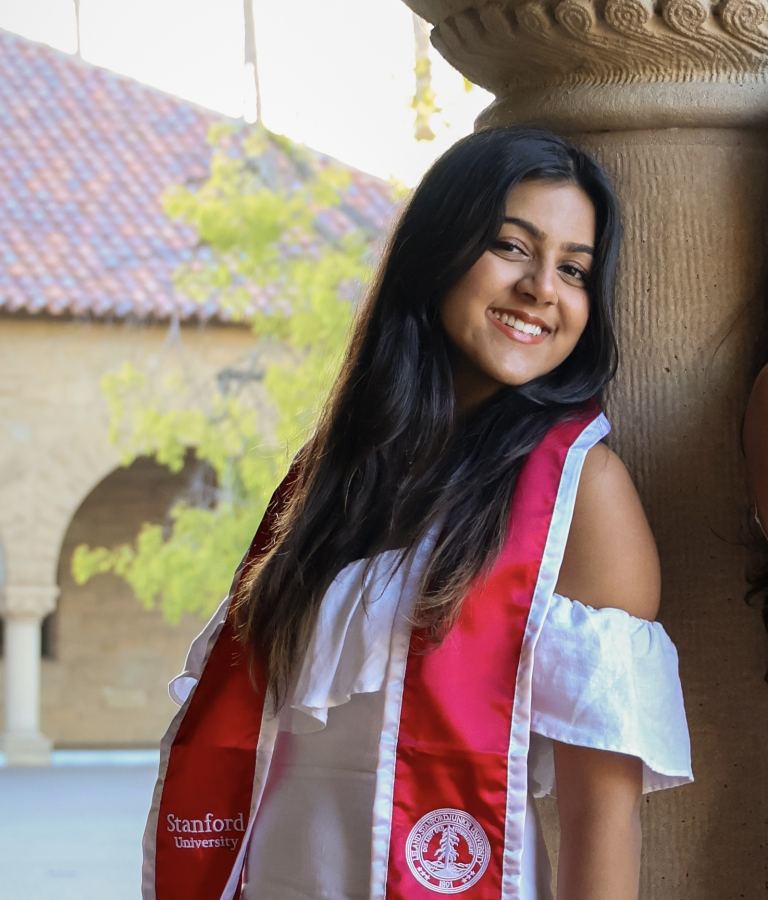
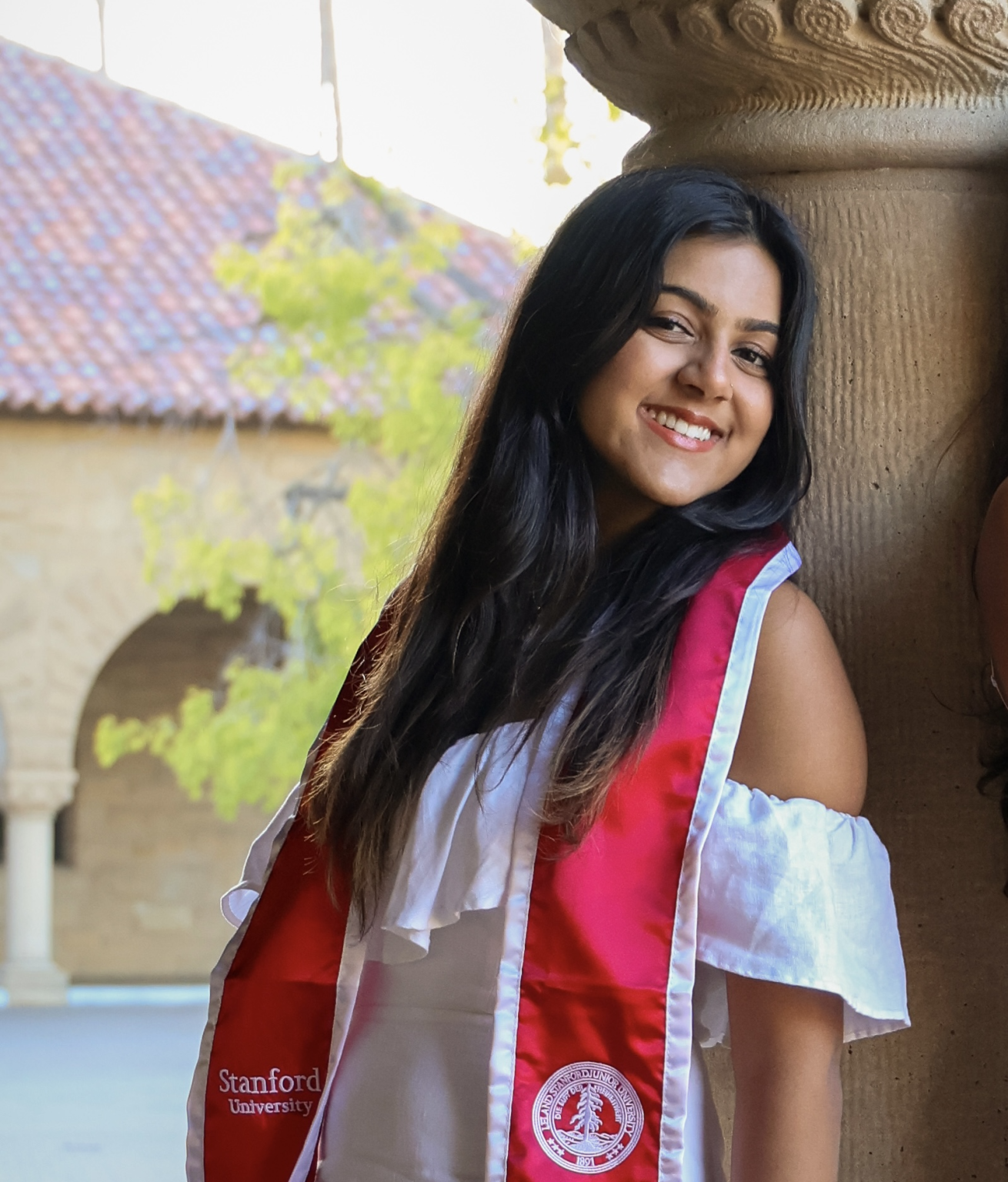
My name is Nisha, and I’m a senior at Stanford, graduating in just a few weeks. I’m studying bioengineering and I’m pre-med, and a lot of what has shaped my path comes from my own family’s experience with healthcare access.
My family is from Nepal, and growing up, I watched several of my grandparents pass away due to gaps in care. In many rural areas, there simply isn’t consistent access to screening or preventative care, so by the time symptoms appear, it’s often too late.
Around when I was born, one of my grandmothers didn’t even know she was sick until she came to the U.S. to visit my family. She was able to see a doctor, but by then, it had already progressed. And because she wasn’t insured here, the cost of that care was incredibly high.
Experiences like that really stayed with me. They made me realize how much access, timing, and cost shape outcomes in ways that feel out of people’s control.
That experience made me want to go into medicine, to shift the focus from treating disease to helping prevent it, and to make care more accessible to people who need it most.
When I came to Stanford, I was looking for a way to apply that passion in a more direct and tangible way. I wanted to go beyond the traditional hospital setting and understand how people navigate care in real life, especially community members facing barriers like housing instability, lack of insurance, or limited resources.
I came across Peninsula Healthcare Connection through a simple online search and reached out because the mission resonated with me. When I started volunteering, it opened my eyes in a new way and confirmed some of my suspicions.
Access to healthcare isn’t just about seeing a doctor, it’s about whether you can even get your foot in the door.
I remember meeting patients who had to physically come into the clinic just to try to schedule an appointment because they didn’t have a working phone. Others would come in needing care but couldn’t be seen that day because of limited capacity. Some were managing chronic conditions but didn’t have the resources or support to stay consistent with treatment.
These were everyday realities.
It made me realize how many layers there are to healthcare access. When you’re already dealing with health issues, and then you add challenges like housing instability or financial stress, it becomes incredibly difficult to stay on top of your care. Everything compounds.
At the same time, I also saw how meaningful even small interventions can be. Helping someone check their blood pressure, refill medication, or just navigate the system. Those moments make a difference immediately.
That’s something I don’t think you fully understand until you’re actually there.
PHC and street medicine showed me that care extends so far beyond the clinic walls. Patients often come in carrying everything they own, and it becomes clear very quickly that healthcare is tied to so many other aspects of life like housing, stability, and access to basic necessities.
That helped inform how I think about medicine.
It’s about asking: how do we help people maintain their health outside the clinic? How do we give them the tools, knowledge, and access to sustain their care?
That’s where I think innovation comes in.
Through studying bioengineering, I’ve seen how technology and design can improve access. Whether that’s in diagnostics, remote care, or better systems for reaching underserved populations. But what matters most is making sure those innovations connect to the people who need them.
And that idea of building bridges is something that has stayed with me in other parts of my life too. Even outside of PHC, I’ve been interested in connecting people, whether that’s through starting organizations, fundraising, or working with students.
In high school, I helped start a HOSA-Future Health Professionals chapter with a few friends who were also interested in healthcare. What started as a small group quickly grew into a very active, student-led effort. We organized fundraisers, hosted blood drives, and consistently sent students to state and national competitions. I started thinking more intentionally about how we could connect our energy to community needs and that carried itself to fundraising and bringing awareness to PHC. This was a way of closing the loop to bring together education, service, and connection.
There are so many people who care deeply about similar issues, but what’s often missing is the connection between them. When you build those bridges, you can create something deeply impactful.
Looking ahead, I’ll be continuing to work in community health, including street medicine programs where we go directly to encampments to provide care and basic health screenings. I’ll also be doing research in women’s health and cancer biology, focusing on equity in access to screening and care.
But no matter where I go, the experiences I had at PHC will stay with me as they remind me why I started this path to begin with.
At the end of the day, being involved in community health has shown me something simple but powerful: when you help someone access care, even in a small way, you see can often see the impact immediately.