A longtime PHC leader reflects on two decades of serving the community’s most vulnerable residents and the power of never giving up on people.
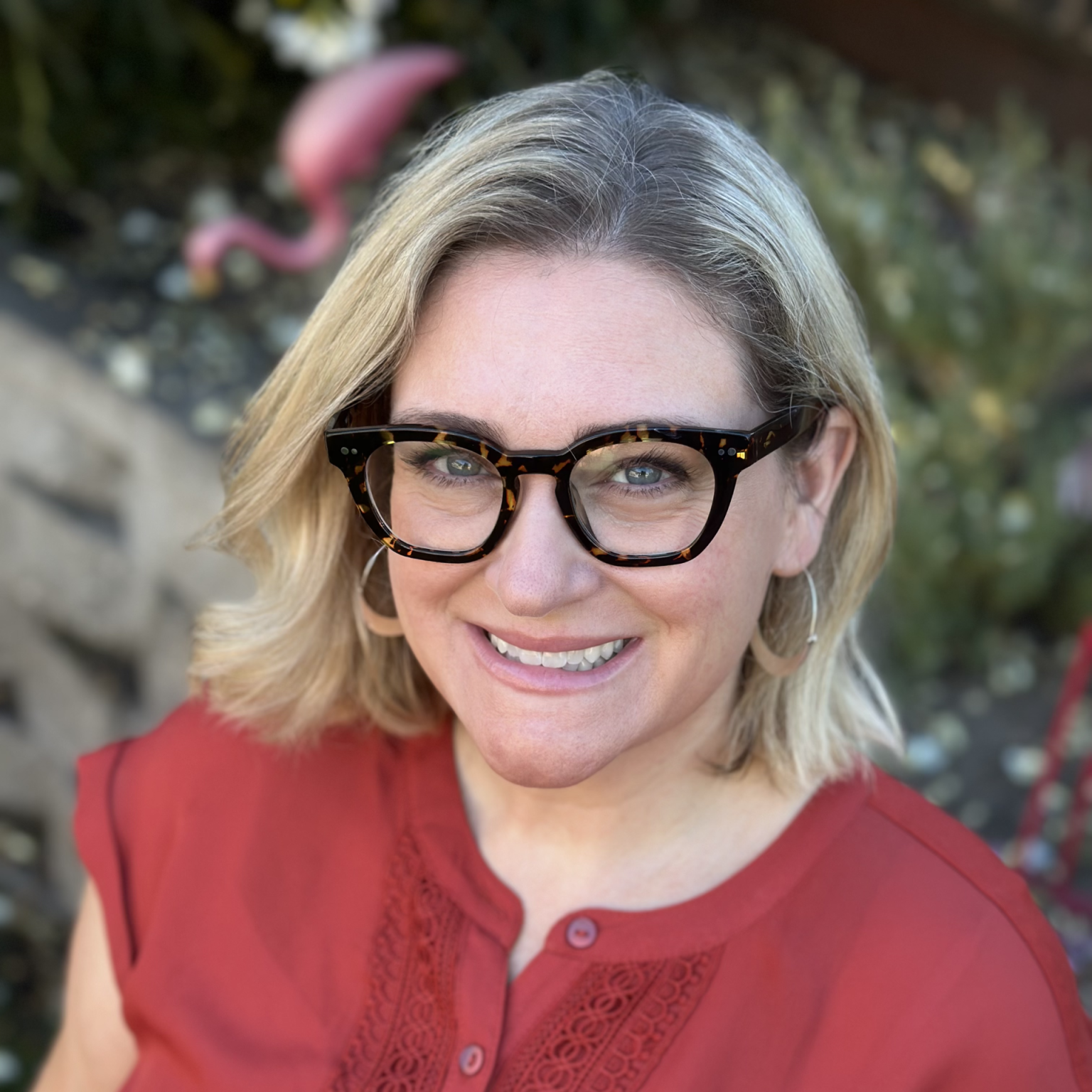
By: Heather Boddie-Russo, Deputy Director of New Directions Program
I finished grad school in 2009, right in the middle of the recession. I had spent the last year interning at Valley Medical Center and was hoping to land a social work position there, but the hospital was in the middle of a hiring freeze. There were very few job opportunities available anywhere. One of the social workers at the hospital mentioned New Directions was hiring. I had barely heard of this small program but knew it had a good reputation. I interviewed and was offered a position, so I accepted. To be honest, I didn’t fully understand what the program did, I took the job because my only other alternative was a long commute to a skilled nursing facility in Millbrae.
I remember my first few weeks. What I noticed immediately was how much everyone genuinely cared. The entire staff really knew the clients. They took the time to listen and understand their stories, their fears, and what mattered most to them. Nothing was too small or unimportant; everything was done with the care you would provide your own family. I loved that the program was set up to provide time and flexibility to meet people where they were and offer the high level of support needed to meet goals big and small. The team was encouraged to think outside the box and be creative in order to meet each client’s individual needs.
At a hospital, no matter how much you care, you are working toward the exit. There is a clock over your head. You do what you can, and then the patient is out the door, and you may never find out what happened next. Here, clients were supported long term, there was time to build a relationship and find the right intervention and way to support. If someone needed eight trips to the DMV to get an ID, we made eight trips. If it took months to build enough trust just to get someone into a vehicle to go to a doctor’s appointment, we took those months. The work was person-centered in a way that was radical, and it worked because of that.
New Directions was founded in 2002 or 2003, I’m not entirely clear on some of the early history, but it was a time before the Affordable Care Act, before expanded Medi-Cal, before an organized housing system in Santa Clara County. The same people were cycling through emergency rooms, racking up enormous costs, and not getting the help they needed. There were no cohesive plan or services to respond to this concern.
Malinda Mitchell, recently retired CEO of Stanford Hospital and Clinics, looked at what was happening in Santa Clara County emergency departments and knew it had to be addressed. She brought hospital CEOs together through The Hospital Council of Northern and Central California, uniting them around a shared goal and the idea that intensive, community-based case management could make a difference. She hired Sherry Holm to lead the program, and New Directions was born. In the beginning, the program was embedded in emergency departments, ensuring onsite support for the people coming through those doors the most. What we realized early on was that housing was a critical need for our clients. You cannot
effectively support someone to stabilize their health when they are sleeping outside. You cannot manage chronic conditions, follow discharge instructions, take medications consistently, without a roof over your head and a safe place to be. That realization pushed the program in a specific direction; to Shelter Plus Care vouchers, a partnership with Catholic Charities for permanent supportive housing, and shared space and close collaboration with the Valley
Homeless Healthcare Program (VHHP).
The Santa Clara County Medical Respite program (MRP) started in 2009, a partnership between the Hospital Council and VHHP. I was hired to be part of that team. MRP provided designated shelter beds, an on-site, coordinated, multi-disciplinary care team, and a place people could go directly from a hospital stay to heal and figure out their next step. We worked alongside VHHP’s doctors, nurses, and mental health team to coordinate care and help people recover. When someone was ready to leave respite, we followed them into the community.
New Directions has always worked with people facing significant barriers to health and stability. People living with multiple chronic conditions while also navigating the impacts of limited resources for basic needs, trauma, substance use, and/or mental health challenges. Many of our clients have passed through multiple programs and systems of care and not been able to successfully navigate these resources. As one of the first providers in Santa Clara County’s coordinated housing system, we served individuals with the greatest and most urgent needs for housing; those at risk of hospitalization, institutionalization, or even death without timely intervention. Our work was not handing someone a brochure or making a referral and hoping for the best. We were meeting with clients in the community, at the shelter, in the hospital; building trust over months, sometimes years, staying alongside people until goals that once seemed impossible become possible. This is not to say every effort was successful. There were times when someone wasn’t ready, or their circumstances made it impossible to engage in the way we had hoped, but we always left the door open for another opportunity.
One of the clients I think of often, is someone I met at the MRP. He had been living alone in an encampment when he was diagnosed with cancer and referred to respite after a hospital stay. He didn’t trust anyone. It took a long time to establish trust, but we persisted, and eventually everything started to come together; a VA pension he was entitled to, a housing subsidy and a beautiful apartment, palliative care through the VA, and a cat. One of the best appointments of my entire career was taking him to meet cats at the shelter so he could pick the right one. After he passed, it came to light that he had family who had been searching for him for years. They came from out of the area and met me at his apartment. They were so grateful that someone had cared about him. That he had not been alone and his last years had been dignified.
Our program and services have always been unique, but unique doesn’t mean funded. At the time, Medi-Cal was not funding these types of services, grants were limited and unstable, and three-year grant funding for medical respite ended. By 2012, the organization was running on fumes, and the people doing the work were burning out under the weight of it. We almost closed.
When Sherry announced to our partners that New Directions was scheduled to close, it sent shockwaves through every system our program had touched. Partners offered to take over the program. No one wanted to see us close, because no one else was doing this work in quite the same way.
At that time, Malinda Mitchell was on the Board of PHC and knew exactly what the program needed. New Directions needed to be under an organization that shared its spirit: the creative thinking, the flexibility, and the patient-first orientation. She believed PHC was that organization, so she made the suggestion to CEO Eileen Richardson. I think if you ask Eileen, she’ll tell you it was less of a suggestion and more a directive.
On July 1st, 2013, New Directions became part of PHC. We got to continue the work we loved so much, that made us respected and unique; the individualized care and the willingness to meet people where they were instead of expecting them to fit into a system.
The program has grown and evolved since then, but we hold on to what has always made New Directions special. This has never been a job for someone who wants to keep their calendar for the week. The work doesn’t fit neatly into boxes, and neither do the people we serve. You have to be adaptable, patient, and willing to change course when needed. For those who love this work, there is nothing else like it.
It’s challenging, unpredictable, and deeply rewarding.
I started at New Directions not knowing what the job was. I stayed because of what it turned out to be. We have always been more than the sum of our programs, grants, contracts, or deliverables. We are a program made of people who choose to show up for clients who have been told, in a hundred ways, that no one was coming. We keep showing up, year after year, through uncertain funding, hard work, and long nights.
Malinda was right, PHC was absolutely the right home for New Directions. We are bigger now and we continue to grow. We remain committed to carrying forward the qualities that have always defined us: people helping people, sometimes with many resources, sometimes with less, but always with genuine care, creativity, and a deep commitment to those we serve. If we continue to embody these values, the next twenty years will be as meaningful as the last.